Répertoire des Réalisateurs
7,847 réalisateurs · page 1 / 164
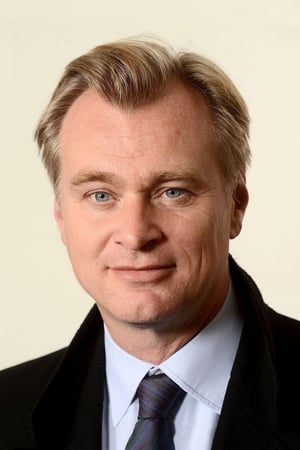
Christopher Nolan
Christopher Edward Nolan, CBE (born 30 July 1970) is a British-American film director, screenwriter, and producer. He was born in Westminster, London, England and holds both British and American citizenship due to his American mother. He is known for writing and directing critically acclaimed films such as Memento (2000), The Prestige (2006), The Dark Knight Trilogy (2005-12), Inception (2010), Interstellar (2014) and Dunkirk (2017). Nolan is the founder of the production company Syncopy Films. He often collaborates with his wife, producer Emma Thomas, and his brother, screenwriter Jonathan Nolan.
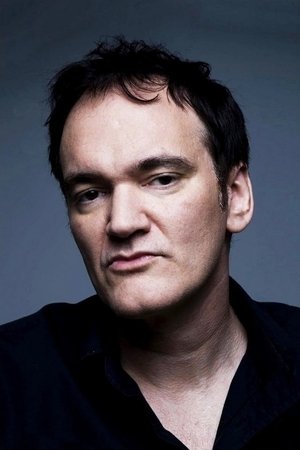
Quentin Tarantino
Quentin Jerome Tarantino (born March 27, 1963) is an American film director, screenwriter, producer, cinematographer and actor. In the early 1990s he was an independent filmmaker whose films used nonlinear storylines and aestheticization of violence. His films have earned him a variety of Academy Award, Golden Globe, BAFTA and Palme d'Or Awards and he has been nominated for Emmy and Grammy Awards. In 2007, Total Film named him the 12th-greatest director of all time. Tarantino was born in Knoxville, Tennessee, the son of Connie McHugh Tarantino Zastoupil, a health care executive and nurse born in Knoxville, and Tony Tarantino, an actor and amateur musician born in Queens, New York. Tarantino's mother allowed him to quit school at age 17, to attend an acting class full time. Tarantino gave up acting while attending the acting school, saying that he admired directors more than actors. Tarantino also worked in a video rental store before becoming a filmmaker, paid close attention to the types of films people liked to rent, and has cited that experience as inspiration for his directorial career. Description above from the Wikipedia article Quentin Tarantino, licensed under CC-BY-SA, full list of contributors on Wikipedia.
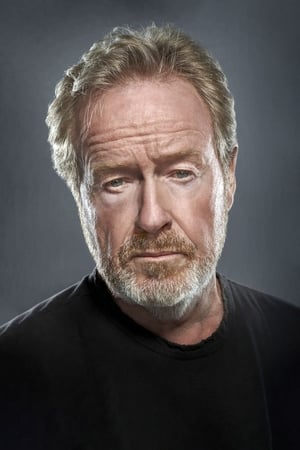
Ridley Scott
Sir Ridley Scott (born November 30, 1937) is an English filmmaker. He was raised in an Army family, meaning that for most of his early life, his father — an officer in the Royal Engineers — was absent. Ridley's older brother, Frank, joined the Merchant Navy when he was still young and the pair had little contact. During this time the family moved around, living in (among other areas) Cumbria, Wales and Germany. He has a younger brother, Tony, also a film director. After the Second World War, the Scott family moved back to their native north-east England, eventually settling in Teesside (whose industrial landscape would later inspire similar scenes in Blade Runner). He enjoyed watching films, and his favourites include Lawrence of Arabia, Citizen Kane and Seven Samurai. Scott studied in Teesside from 1954 to 1958, at Grangefield Grammar School and later in West Hartlepool College of Art, graduating with a Diploma in Design. He progressed to an M.A. in graphic design at the Royal College of Art from 1960 to 1962. At the RCA he contributed to the college magazine, ARK and helped to establish its film department. For his final show, he made a black and white short film, Boy and Bicycle, starring his younger brother, Tony Scott, and his father. The film's main visual elements would become features of Scott's later work; it was issued on the 'Extras' section of The Duellists DVD. After graduation in 1963, he secured a job as a trainee set designer with the BBC, leading to work on the popular television police series Z-Cars and the science fiction series Out of the Unknown. Scott was an admirer of Stanley Kubrick early in his development as a director. For his entry to the BBC traineeship, Scott remade Paths of Glory as a short film. He was assigned to design the second Doctor Who serial, The Daleks, which would have entailed realising the famous alien creatures. However, shortly before Scott was due to start work, a schedule conflict meant that he was replaced on the serial by Raymond Cusick. At the BBC, Scott was placed into a director training programme and, before he left the corporation, had directed episodes of Z-Cars, its spin-off, Softly, Softly, and adventure series Adam Adamant Lives! In 1968, Ridley and Tony Scott founded Ridley Scott Associates (RSA), a film and commercial production company.Five members of the Scott family are directors, all working for RSA. Brother Tony has been a successful film director for more than two decades; sons, Jake and Luke are both acclaimed commercials directors as is his daughter, Jordan Scott. Jake and Jordan both work from Los Angeles and Luke is based in London. In 1995, Shepperton Studios was purchased by a consortium headed by Ridley and Tony Scott, which extensively renovated the studios while also expanding and improving its grounds.
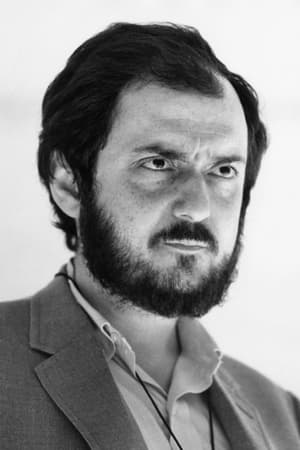
Stanley Kubrick
Stanley Kubrick (July 26, 1928 – March 7, 1999) was an American film director, writer, producer, and photographer who lived in England during most of the last four decades of his career. Kubrick was noted for the scrupulous care with which he chose his subjects, his slow method of working, the variety of genres he worked in, his technical perfectionism, and his reclusiveness about his films and personal life. He maintained almost complete artistic control, making movies according to his own whims and time constraints, but with the rare advantage of big-studio financial support for all his endeavors. Kubrick's films are characterized by a formal visual style and meticulous attention to detail—his later films often have elements of surrealism and expressionism that eschews structured linear narrative. His films are repeatedly described as slow and methodical, and are often perceived as a reflection of his obsessive and perfectionist nature. A recurring theme in his films is man's inhumanity to man. While often viewed as expressing an ironic pessimism, a few critics feel his films contain a cautious optimism when viewed more carefully. The film that first brought him attention to many critics was Paths of Glory (1957), the first of three films of his about the dehumanizing effects of war. Many of his films at first got a lukewarm reception, only to be years later acclaimed as masterpieces that had a seminal influence on many later generations of film-makers. Considered especially groundbreaking was 2001: A Space Odyssey (1968) noted for being both one of the most scientifically realistic and visually innovative science-fiction films ever made while maintaining an enigmatic non-linear storyline. He voluntarily withdrew his film A Clockwork Orange (1971) from England, after it was accused of inspiring copycat crimes which in turn resulted in threats against Kubrick's family. His films were largely successful at the box-office, although Barry Lyndon (1975) performed poorly in the United States. Living authors Anthony Burgess and Stephen King were both unhappy with Kubrick's adaptations of their novels A Clockwork Orange and The Shining (1980) respectively, and both authors were engaged with subsequent adaptations. All of Kubrick's films from the mid-1950s to his death except for The Shining were nominated for Oscars, Golden Globes, or BAFTAs. Although he was nominated for an Academy Award as a screenwriter and director on several occasions, his only personal win was for the special effects in 2001: A Space Odyssey. Even though all of his films, apart from the first two, were adapted from novels or short stories, his works have been described by Jason Ankeny and others as "original and visionary". Although some critics, notably Andrew Sarris and Pauline Kael, frequently disparaged Kubrick's work, Ankeny describes Kubrick as one of the most "universally acclaimed and influential directors of the postwar era" with a "standing unique among the filmmakers of his day."
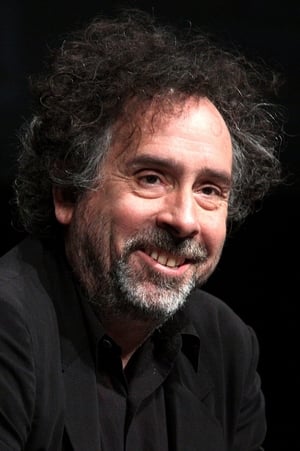
Tim Burton
Timothy Walter Burton (born August 25, 1958) is an American filmmaker and animator. He is known for his gothic fantasy and horror films such as Beetlejuice (1988), Edward Scissorhands (1990), The Nightmare Before Christmas (1993), Ed Wood (1994), Sleepy Hollow (1999), Corpse Bride (2005), Sweeney Todd: The Demon Barber of Fleet Street (2007) and Dark Shadows (2012), as well as the television series Wednesday (2022). Burton also directed the superhero films Batman (1989) and Batman Returns (1992), the sci-fi film Planet of the Apes (2001), the fantasy-drama Big Fish (2003), the musical adventure film Charlie and the Chocolate Factory (2005), and the fantasy films Alice in Wonderland (2010) and Miss Peregrine's Home for Peculiar Children (2016). Burton has often worked with actors Winona Ryder, Johnny Depp, Lisa Marie (former girlfriend), Helena Bonham Carter (his former domestic partner) and composer Danny Elfman, who scored all but three of Burton's films. Burton also wrote and illustrated the poetry book The Melancholy Death of Oyster Boy & Other Stories, published in 1997 by British publishing house Faber and Faber, and a compilation of his drawings, sketches, and other artwork, entitled The Art of Tim Burton, was released in 2009. A follow-up to that book, entitled The Napkin Art of Tim Burton: Things You Think About in a Bar, containing sketches made by Burton on napkins at bars and restaurants he visited, was released in 2015. His accolades include nominations for two Academy Awards and three BAFTA Awards, and wins for an Emmy Award and a Golden Globe Award.
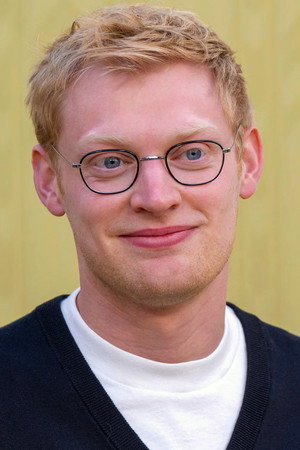
Curry Barker
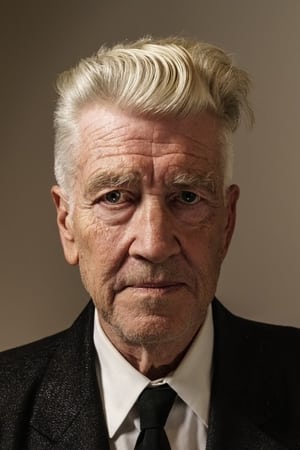
David Lynch
David Keith Lynch (born January 20, 1946) is an American filmmaker, painter, visual artist, musician, actor, and writer. Known for his surrealist films, he has developed his own unique cinematic style, which has been dubbed "Lynchian", and which is characterized by its dream imagery and meticulous sound design. Indeed, the surreal and in many cases violent elements to his films have earned them the reputation that they "disturb, offend or mystify" their audiences. Moving around various parts of the United States as a child within his middle class family, Lynch went on to study painting in Philadelphia, where he first made the transition to producing short films. Deciding to devote himself more fully to this medium, he moved to Los Angeles, where he produced his first motion picture, the surrealist horror Eraserhead (1977). After Eraserhead became a cult classic on the midnight movie circuit, Lynch was employed to direct The Elephant Man (1980), from which he gained mainstream success. Then being employed by the De Laurentiis Entertainment Group, he proceeded to make two films. First, the science-fiction epic Dune (1984), which proved to be a critical and commercial failure, and then a neo-noir crime film, Blue Velvet (1986), which was highly critically acclaimed. Proceeding to create his own television series with Mark Frost, the highly popular murder mystery Twin Peaks (1990–1992), he also created a cinematic prequel, Fire Walk With Me (1992), a road movie, Wild at Heart (1990), and a family film, The Straight Story (1999) in the same period. Turning further towards surrealist filmmaking, three of his following films worked on "dream logic" non-linear narrative structures, Lost Highway (1997), Mulholland Drive (2001) and Inland Empire (2006). Lynch has received three Academy Award nominations for Best Director, for his films The Elephant Man, Blue Velvet and Mulholland Drive, and also received a screenplay Academy Award nomination for The Elephant Man. Lynch has twice won France's César Award for Best Foreign Film, as well as the Palme d'Or at the Cannes Film Festival and a Golden Lion award for lifetime achievement at the Venice Film Festival. The French government awarded him the Legion of Honor, the country's top civilian honor, as a Chevalier in 2002 and then an Officier in 2007, while that same year, The Guardian described Lynch as "the most important director of this era". Allmovie called him "the Renaissance man of modern American filmmaking", whilst the success of his films have led to him being labelled "the first popular Surrealist".
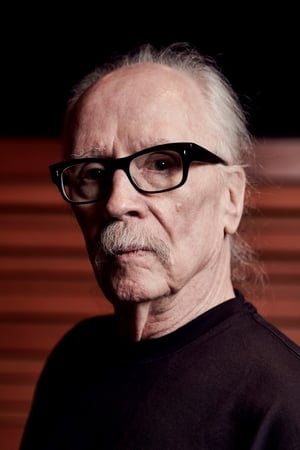
John Carpenter
An American film director, screenwriter, producer, editor, composer, and occasional actor. Although Carpenter has worked in numerous film genres in his four-decade career, his name is most commonly associated with horror and science fiction. Most films in Carpenter's career were initially commercial and critical failures, with the notable exceptions of Halloween (1978), The Fog (1980), Escape from New York (1981), and Starman (1984). However, many of Carpenter's films from the 1970s and the 1980s have come to be viewed as cult classics, and he has been acknowledged as an influential filmmaker. Cult classics that Carpenter directed include: Dark Star (1974), Assault on Precinct 13 (1976), The Thing (1982), Christine (1983), Big Trouble in Little China (1986), Prince of Darkness (1987), They Live (1988) and In the Mouth of Madness (1995). His films are characterized by minimalist lighting and photography, static cameras, use of steadicam, and distinctive synthesized scores. Carpenter is also notable for having composed or co-composed most of the music of his films; some of them are now considered cult as well, with the main theme of Halloween being considered a part of popular culture. His music is generally synthesized with accompaniment from piano and atmospherics. He released his first studio album Lost Themes in 2015, and also won a Saturn Award for Best Music for Vampires (1998). Carpenter is an outspoken proponent of widescreen filming, and all of his theatrical movies (with the exception of Dark Star and The Ward) were filmed anamorphic with a 2.35:1 or greater aspect ratio. The Ward was shot in Super 35, the first time Carpenter has ever used that system. Carpenter has stated he feels that the 35mm Panavision anamorphic format is "the best movie system there is", preferring it over both digital and 3D film. Many of Carpenter's films have been re-released on DVD as special editions with numerous bonus features. Carpenter has been the subject of the documentary film John Carpenter: The Man and His Movies, and American Cinematheque's 2002 retrospective of his films. Moreover, in 2006, the United States Library of Congress deemed Halloween to be "culturally significant" and selected it for preservation in the National Film Registry. In 2010, writer and actor Mark Gatiss interviewed Carpenter about his career and films for his BBC documentary series A History of Horror. Carpenter appears in all three episodes of the series. He was also interviewed by Robert Rodriguez for his The Director's Chair series on El Rey Network. Many filmmakers have been influenced by Carpenter, including James Cameron, Quentin Tarantino (The Hateful Eight was heavily influenced by The Thing), Guillermo del Toro, Robert Rodriguez, Edgar Wright, Danny Boyle, Nicolas Winding Refn, Bong Joon-ho, among others. The video game Dead Space 3 is said to be influenced by Carpenter's The Thing, The Fog and Halloween, and Carpenter has stated that he would be enthusiastic to adapt that series into a feature film.
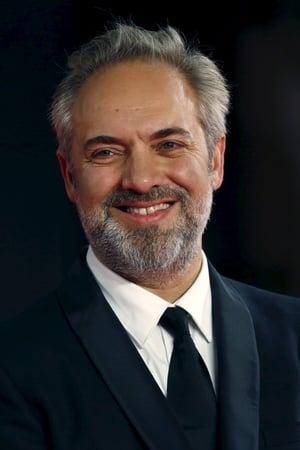
Sam Mendes
Sir Samuel Alexander Mendes CBE (born 1 August 1965) is a British film and stage director, producer, and screenwriter. In 2000, Mendes was appointed a CBE for his services to drama, and he was knighted in the 2020 New Years Honours List. That same year, he was awarded the Shakespeare Prize by the Alfred Toepfer Foundation in Hamburg, Germany. In 2005, he received a lifetime achievement award from the Directors Guild of Great Britain. In 2008, The Daily Telegraph ranked him number 15 in their list of the "100 most powerful people in British culture". Born in Berkshire to a Trinidadian Catholic father and an English Jewish mother, Mendes grew up in North London. He read English at Peterhouse at Cambridge University, and began directing plays there before joining Donmar Warehouse, which became a centre of 1990s London theatre culture. In theatre, he is known for his dark re-inventions of the stage musicals Cabaret (1993), Oliver! (1994), Company (1995), and Gypsy (2003). He directed an original West End stage musical for the first time with Charlie and the Chocolate Factory (2013). For his work on the London stage, Mendes has received three Laurence Olivier Awards for Company, Twelfth Night and The Ferryman and for his work on Broadway he has earned two Tony Awards for Best Direction of a Play for his work on The Ferryman in 2019, and The Lehman Trilogy in 2022. In film, he made his directorial debut with the drama American Beauty (1999), which earned him the Academy Award and Golden Globe Award for Best Director. He has since directed the crime film Road to Perdition (2002), Jarhead (2005), the drama Revolutionary Road (2008), and the James Bond films Skyfall (2012) and Spectre (2015). For the war film 1917 (2019), he received the BAFTA Award and Golden Globe Award for Best Director, as well as his second Academy Award nominations for Best Director, Best Picture and Best Original Screenplay. Description above from the Wikipedia article Sam Mendes, licensed under CC-BY-SA, full list of contributors on Wikipedia.
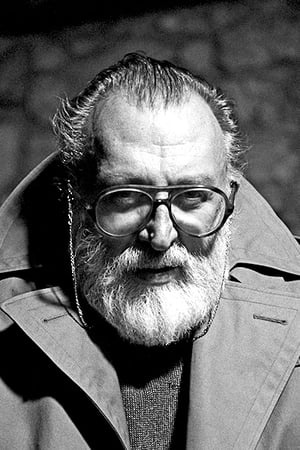
Sergio Leone
Sergio Leone (January 3, 1929 – April 30, 1989) was an Italian film director, producer and screenwriter most associated with the "Spaghetti Western" genre. Leone's film-making style includes juxtaposing extreme close-up shots with lengthy long shots. His movies include The Colossus of Rhodes, the Dollars Trilogy (A Fistful of Dollars; For a Few Dollars More; and The Good, the Bad and the Ugly), Once Upon a Time in the West; Duck, You Sucker!; and Once Upon a Time in America. Description above from the Wikipedia article Sergio Leone, licensed under CC-BY-SA, full list of contributors on Wikipedia.
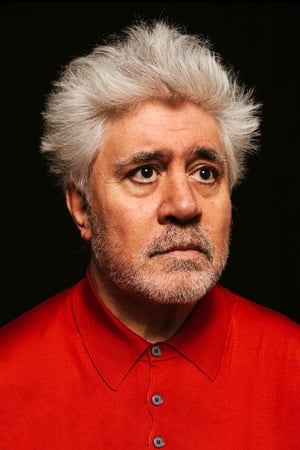
Pedro Almodóvar
Pedro Almodóvar Caballero (born 25 September 1949) is a Spanish film director, screenwriter and producer. Almodóvar is arguably the most successful and internationally known Spanish filmmaker of his generation. His films, marked by complex narratives, employ the codes of melodrama and use elements of pop culture, popular songs, irreverent humor, strong colors, glossy décor and LGBT themes. Desire, passion, family and identity are among Almodóvar’s most prevalent themes. His films enjoy a worldwide following and he has become a major figure on the stage of world cinema. He founded Spanish film production company El Deseo S.A. with his younger brother Agustín Almodóvar who has produced almost all of Pedro’s films. He was elected a Foreign Honorary Member of the American Academy of Arts and Sciences in 2001.
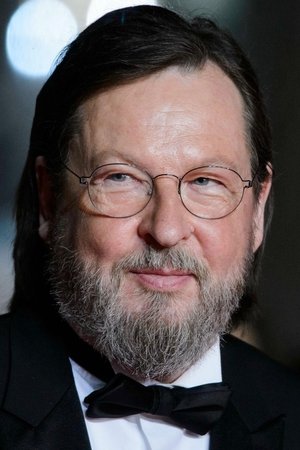
Lars von Trier
Lars von Trier (born Lars Trier; 30 April 1956) is a Danish film director and screenwriter. He is closely associated with the Dogme 95 collective, although his own films have taken a variety of different approaches. He is known for his female-centric parables and his exploration of controversial subject matter. Von Trier began making his own films at the age of 11 after receiving a Super-8 camera as a gift, and his first publicly released film was an experimental short called The Orchid Gardener, in 1977. His first feature film came seven years later, The Element of Crime, in 1984. As of 2010, he has directed a further 10 feature films, 5 short films and 4 television productions. He has been married twice and is currently married to Bente Frøge. Von Trier suffers periodically from depression, as well as various fears and phobias, including an intense fear of flying. As he himself once put it, "Basically, I'm afraid of everything in life, except filmmaking".

Dario Argento
Dario Argento was born on September 7, 1940, in Rome, Italy, the first-born son of famed Italian producer Salvatore Argento and Brazilian fashion model Elda Luxardo. Argento recalls getting his ideas for filmmaking from his close-knit family from Italian folk tales told by his parents and other family members, including an aunt who told him frighting bedtime stories. Argento based most of his thriller movies on childhood trauma, yet his own--according to him--was a normal one. Along with tales spun by his aunt, Argento was impressed by stories from The Grimm Brothers, Hans Christian Andersen and Edgar Allan Poe. Argento started his career writing for various film journal magazines while still in his teens attending a Catholic high school. After graduation, instead of going to college, Argento took a job as a columnist for the Rome daily newspaper "Paese Sera". Inspired by the movies, he later found work as a screenwriter and wrote several screenplays for a number of films, but the most important were his western collaborations, which included Cimitero senza croci (1969) and the Sergio Leone masterpiece C'era una volta il West (1968). He is known in italy as Master of Horror.
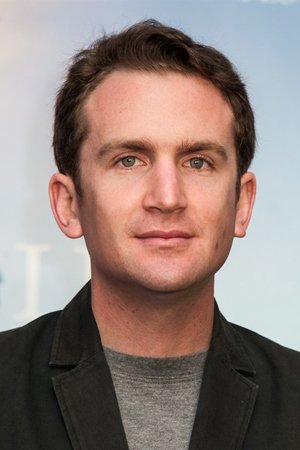
Jake Schreier
Jacob Stacey Schreier (born September 29, 1981) is an American commercial, music video, and film director. He was a founding member of Waverly Films, a Brooklyn-based filmmaking collective, and joined Park Pictures in 2006, releasing his first feature film, Robot & Frank, in 2012. In 2015, he released Paper Towns, an adaptation of the 2008 novel of the same name by John Green. He is also directing the upcoming 2025 Marvel Studios film Thunderbolts*. Description above from the Wikipedia article Jake Schreier, licensed under CC-BY-SA, full list of contributors on Wikipedia.
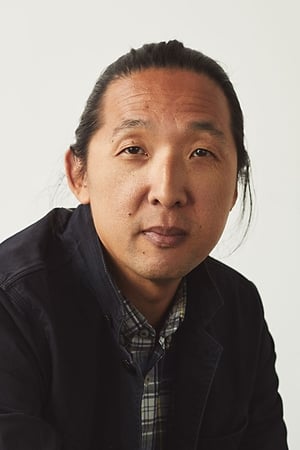
Kogonada
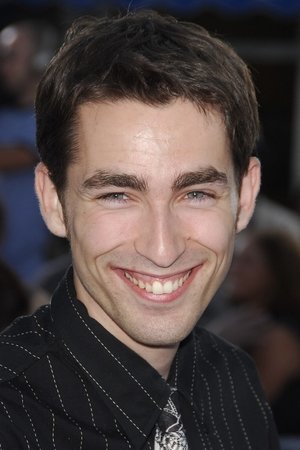
Zach Lipovsky
Zach Lipovsky is an actor, writer, producer and director.
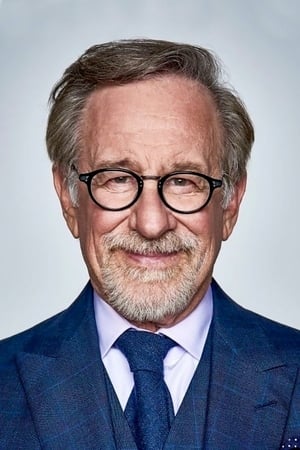
Steven Spielberg
Steven Allan Spielberg (born December 18, 1946) is an American film director, writer and producer. A major figure of the New Hollywood era and pioneer of the modern blockbuster, he is the most commercially successful director of all time. Spielberg is the recipient of various accolades, including three Academy Awards, a Kennedy Center honor, four Directors Guild of America Awards, two BAFTA Awards, a Cecil B. DeMille Award and an AFI Life Achievement Award. Seven of his films have been inducted into the National Film Registry by the Library of Congress as "culturally, historically or aesthetically significant". Spielberg was born in Cincinnati, Ohio, and grew up in Phoenix, Arizona. He moved to California and studied film in college. After directing several episodes for television including Night Gallery and Columbo, he directed the television film Duel (1971) which gained acclaim from critics and audiences. He made his directorial film debut with The Sugarland Express (1974), and became a household name with the 1975 summer blockbuster Jaws. He then directed huge box office successes Close Encounters of the Third Kind (1977), E.T. the Extra-Terrestrial (1982) and the Indiana Jones original trilogy (1981-89). Spielberg subsequently explored drama in the acclaimed The Color Purple (1985) and Empire of the Sun (1987). After a brief hiatus, Spielberg directed the science fiction thriller Jurassic Park (1993), the highest-grossing film ever at the time, and the Holocaust drama Schindler's List (1993), which has often been listed as one of the greatest films ever made. He won the Academy Award for Best Director for the latter and for the 1998 World War II epic Saving Private Ryan. Spielberg continued in the 2000s with science fiction films A.I. Artificial Intelligence (2001), Minority Report (2002) and War of the Worlds (2005). He also directed the adventure films The Adventures of Tintin (2011) and Ready Player One (2018); the historical dramas Amistad (1997), Munich (2005), War Horse (2011), Lincoln (2012), Bridge of Spies (2015) and The Post (2017); the musical West Side Story (2021); and the semi-autobiographical drama The Fabelmans (2022). He has been a producer on several successful films, including Poltergeist (1982), Gremlins (1984), Back to the Future (1985) and Who Framed Roger Rabbit (1988) as well as the miniseries Band of Brothers (2001). Spielberg co-founded Amblin Entertainment and DreamWorks, and has served as a producer for many successful films and television series. He is also known for his long collaboration with the composer John Williams, with whom he has worked for all but five of his feature films. Several of Spielberg's works are among the highest-grossing and greatest films all time. Premiere ranked him first place in the list of 100 Most Powerful People in Movies in 2003. In 2013, Time listed him as one of the 100 most influential people.
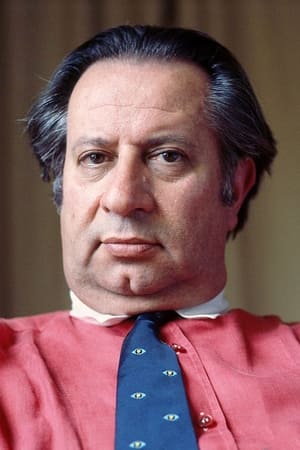
Tinto Brass
Giovanni "Tinto" Brass (born 26 March 1933) is an Italian film director and screenwriter. In the 1960s and 1970s, he directed many critically acclaimed avant-garde films of various genres. Today, he is mainly known for his later work in the erotic genre, with films such as Caligula, Così fan tutte (released under the English title All Ladies Do It), Paprika, Monella (Frivolous Lola) and Trasgredire. After Salon Kitty (1976) and Caligula (1979), the style of his films gradually changed towards erotic films. Caligula was originally supposed to be a satire on power instead of an erotic film, but the producers changed and re-edited the film entirely without Brass's consent, removing many political and comical scenes, and shooting sexually explicit sequences, to make the film a pornographic drama. The director demanded that his name be stricken from the credits, and he is only credited for "Principal Photography". Despite this, the film remains his most widely viewed work (and the highest-grossing Italian film released in the United States). Other notable works of Brass's later period include The Key (1983) and Senso '45 (2002). He was making films into his seventies.
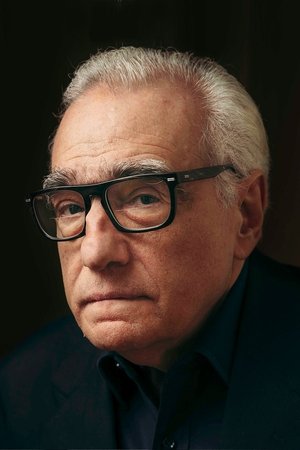
Martin Scorsese
Martin Charles Scorsese (born November 17, 1942) is an American film director, producer, screenwriter, and actor. One of the major figures of the New Hollywood era, he is widely regarded as one of the greatest and most influential directors in film history. Scorsese's body of work explores themes such as Italian-American identity, Catholic concepts of guilt and redemption, faith, machismo, nihilism, crime and sectarianism. Many of his films are known for their depiction of violence and the liberal use of profanity. Scorsese has also dedicated his life to film preservation and film restoration by founding the nonprofit organization The Film Foundation in 1990, as well as the World Cinema Foundation in 2007 and the African Film Heritage Project in 2017. Scorsese studied at New York University (NYU), where he received a bachelor's degree in English literature in 1964, and received a master's degree in fine arts in film from NYU's Tisch School of the Arts in 1968. In 1967 Scorsese's first feature film Who's That Knocking at My Door was released and was accepted into the Chicago Film Festival, where critic Roger Ebert saw it and called it "a marvelous evocation of American city life, announcing the arrival of an important new director". He has established a filmmaking history involving repeat collaborations with actors and film technicians, including nine films made with Robert De Niro. His films with De Niro are the psychological thriller Taxi Driver (1976), the biographical sports drama Raging Bull (1980), the satirical black comedy The King of Comedy (1982), the musical drama New York, New York (1977), the psychological thriller Cape Fear (1991), and the crime films Mean Streets (1973), Goodfellas (1990), Casino (1995) and The Irishman (2019). Scorsese has also been noted for his collaborations with actor Leonardo DiCaprio, having directed him in five films: the historical epic Gangs of New York (2002), the Howard Hughes biography The Aviator (2004), the crime thriller The Departed (2006), the psychological thriller Shutter Island (2010), and the Wall Street black comedy The Wolf of Wall Street (2013). The Departed won Scorsese an Academy Award for Best Director, and for Best Picture. Scorsese is also known for his long-time collaboration with film editor Thelma Schoonmaker, who has edited every Scorsese film beginning with Raging Bull. Scorsese's other film work includes the black comedy After Hours (1985), the romantic drama The Age of Innocence (1993), the children's adventure drama Hugo (2011), and the religious epics The Last Temptation of Christ (1988), Kundun (1997) and Silence (2016).
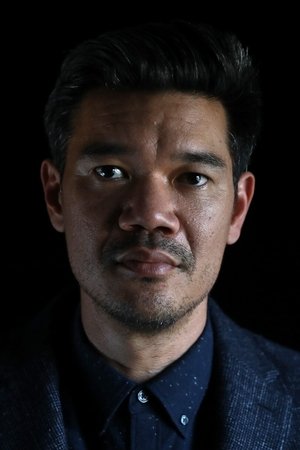
Destin Daniel Cretton
Destin Daniel Cretton (born November 23, 1978) is an American film director, screenwriter, producer, and editor. He is best known for his films Short Term 12 (2013), The Glass Castle (2017), and Just Mercy (2019), all in collaboration with Brie Larson, and for directing the Marvel Studios film Shang-Chi and the Legend of the Ten Rings (2021).
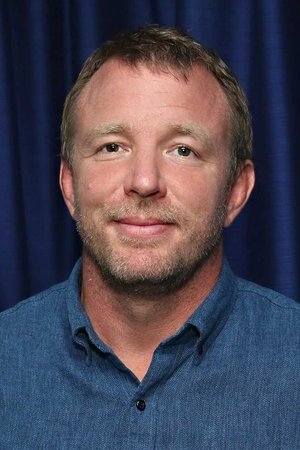
Guy Ritchie
Guy Stuart Ritchie (born 10 September 1968) is an English film director, producer, writer, and businessman. Ritchie left school at age 15 and worked entry-level jobs in the film industry before going on to direct television commercials. In 1995, he directed a short film, The Hard Case, followed by the crime comedy, Lock, Stock and Two Smoking Barrels (1998), his feature-length directorial debut. He soon gained recognition with his second film, Snatch (2000), which also found critical and commercial success. Following Snatch, Ritchie directed Swept Away (2002), a critically panned box-office bomb starring Madonna, to whom Ritchie was married between 2000 and 2008. He went on to direct Revolver (2005) and RocknRolla (2008), which were less successful and received mixed audience reviews. In 2009 and 2011, he directed two box-office hits, Sherlock Holmes and its sequel, Sherlock Holmes: A Game of Shadows, respectively. The former was nominated for Academy Awards in Best Original Score and Best Art Direction. His other directed motion pictures are The Man From U.N.C.L.E. (2015), which is a remake of a 1960 spy series, King Arthur: Legend of the Sword (2017) and the live-action adaptation of Disney's Aladdin (2019). Aladdin earned more than $1 billion worldwide, becoming one of the highest-grossing films in 2019, and the 34th highest-grossing film of all-time during its theatrical run. In 2020, he returned to crime comedy with The Gentlemen (2019), which was mostly well received and a commercial success. In 2021, he directed Jason Statham in the action film, Wrath of Man.
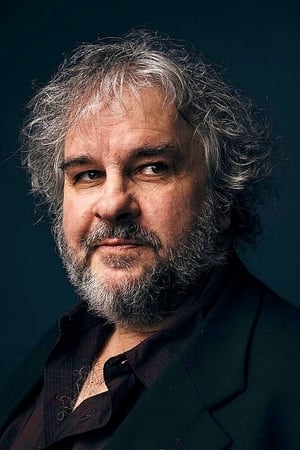
Peter Jackson
Sir Peter Robert Jackson, (born 31 October 1961) is a New Zealand film director, producer, actor, and screenwriter, known for his Lord of the Rings film trilogy, adapted from the novel by J. R. R. Tolkien. He is also known for his 2005 remake of King Kong and as the producer of District 9. He won international attention early in his career with his "splatstick" horror comedies, before coming to mainstream prominence with Heavenly Creatures, for which he shared an Academy Award Best Screenplay nomination with his wife, Fran Walsh. Jackson has been awarded three Academy Awards in his career, including the award for Best Director in 2003. Description above from the Wikipedia article Peter Jackson, licensed under CC-BY-SA, full list of contributors on Wikipedia
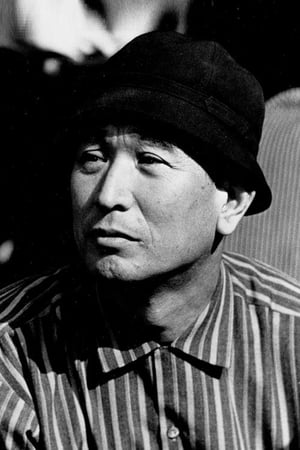
Akira Kurosawa
Akira Kurosawa (黒澤 明) was a Japanese filmmaker and painter who directed thirty films in a career spanning over five decades. He is widely regarded as one of the greatest and most influential filmmakers in the history of cinema. He displayed a bold, dynamic style, strongly influenced by Western cinema yet distinct from it; he was involved with all aspects of film production. Kurosawa entered the Japanese film industry in 1936, following a brief stint as a painter. After years of working on numerous films as an assistant director and scriptwriter, he made his debut as a director during World War II with the popular action film Sanshiro Sugata (1943). After the war, the critically acclaimed Drunken Angel (1948), in which Kurosawa cast the then little-known actor Toshiro Mifune in a starring role, cemented the director's reputation as one of the most important young filmmakers in Japan. The two men would go on to collaborate on another fifteen films. Rashomon (1950), which premiered in Tokyo, became the surprise winner of the Golden Lion at the 1951 Venice Film Festival. The commercial and critical success of that film opened up Western film markets for the first time to the products of the Japanese film industry, which in turn led to international recognition for other Japanese filmmakers. Kurosawa directed approximately one film per year throughout the 1950s and early 1960s, including a number of highly regarded (and often adapted) films, such as Ikiru (1952), Seven Samurai (1954), Throne of Blood (1957), Yojimbo (1961) and High and Low (1963). After the 1960s he became much less prolific; even so, his later work—including two of his final films, Kagemusha (1980) and Ran (1985)—continued to receive great acclaim. In 1990, he accepted the Academy Award for Lifetime Achievement. Posthumously, he was named Asian of the Century in the Arts, Literature, and Culture category by AsianWeek magazine and CNN, cited there as being among the five people who most prominently contributed to the improvement of Asia in the 20th century. His career has been honored by many retrospectives, critical studies and biographies in both print and video, and by releases in many consumer media.
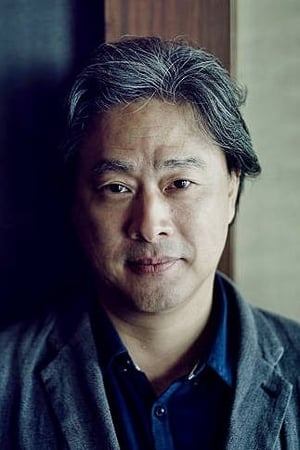
Park Chan-wook
Park Chan-wook (born August 23, 1963) is a South Korean film director, screenwriter, producer, and former film critic. He is considered one of the most prominent filmmakers of South Korean cinema as well as world cinema in 21st century. His films have gained notoriety for their cinematography and framing, black humor and often brutal subject matter. Description above from the Wikipedia article Park Chan-wook, licensed under CC-BY-SA, full list of contributors on Wikipedia.
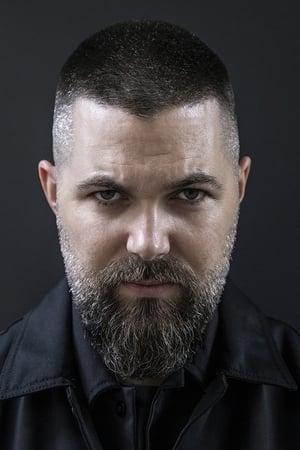
Robert Eggers
Robert Houston Eggers (born July 7, 1983) is an American filmmaker and production designer. He is best known for writing and directing the historical horror films The Witch (2015) and The Lighthouse (2019), as well as directing and co-writing the historical fiction epic film The Northman (2022). His films are noted for their folkloric elements, as well as his efforts to ensure historical authenticity. Description above from the Wikipedia article Robert Eggers, licensed under CC-BY-SA, full list of contributors on Wikipedia.
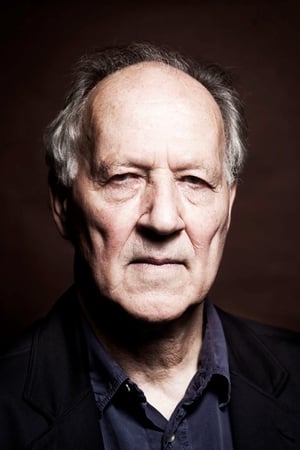
Werner Herzog
Werner Herzog (German: [ˈvɛɐ̯nɐ ˈhɛɐ̯tsoːk]; born 5 September 1942) is a German film director, screenwriter, author, actor, and opera director, regarded as a pioneer of New German Cinema. His films often feature ambitious protagonists with impossible dreams, people with unique talents in obscure fields, or individuals in conflict with nature. He is known for his unique filmmaking process, such as disregarding storyboards, emphasizing improvisation, and placing the cast and crew into similar situations as characters in his films. Herzog started work on his first film Herakles in 1961, when he was nineteen. Since then he has produced, written, and directed more than sixty feature films and documentaries, such as Aguirre, the Wrath of God (1972), The Enigma of Kaspar Hauser (1974), Heart of Glass (1976), Stroszek (1977), Nosferatu the Vampyre (1979), Fitzcarraldo (1982), Cobra Verde (1987), Lessons of Darkness (1992), Little Dieter Needs to Fly (1997), My Best Fiend (1999), Invincible (2000), Grizzly Man (2005), Encounters at the End of the World (2007), Bad Lieutenant: Port of Call New Orleans (2009), and Cave of Forgotten Dreams (2010). He has published more than a dozen books of prose, and directed as many operas. French filmmaker François Truffaut once called Herzog "the most important film director alive." American film critic Roger Ebert said that Herzog "has never created a single film that is compromised, shameful, made for pragmatic reasons, or uninteresting. Even his failures are spectacular." He was named one of the world's 100 most influential people by Time magazine in 2009. Description above from the Wikipedia article Werner Herzog, licensed under CC-BY-SA, full list of contributors on Wikipedia.

Roman Perez Jr.
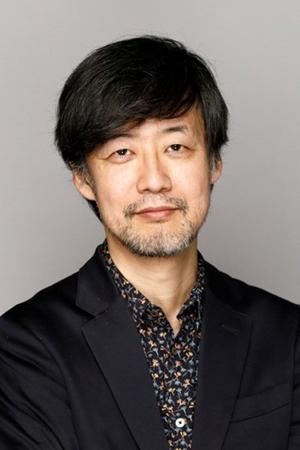
Takashi Yamazaki
Takashi Yamazaki is a Japanese film director, screenwriter and visual effects director. He won the Best Director and Best Screenplay prizes at the Japanese Academy Awards in 2006 for Always: Sunset on Third Street. He is a member of the animation and film visual effects studio Shirogumi.
Ridd Sorensen
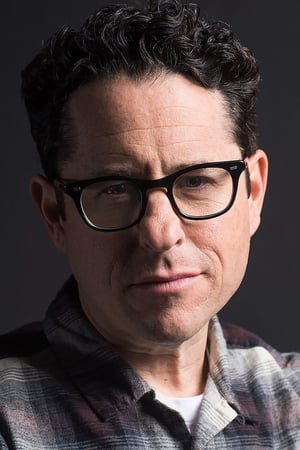
J.J. Abrams
Jeffrey Jacob Abrams (born June 27, 1966) is an American filmmaker. He is best known for his work in the genres of action, drama, and science fiction. Abrams wrote or produced such films as Regarding Henry (1991), Forever Young (1992), Armageddon (1998), Cloverfield (2008), Star Trek (2009), Star Wars: The Force Awakens (2015), and Star Wars: The Rise of Skywalker (2019). Abrams has created numerous television series, including Felicity (co-creator, 1998–2002), Alias (creator, 2001–2006), Lost (co-creator, 2004–2010), and Fringe (co-creator, 2008–2013). He won two Emmy Awards for Lost — Outstanding Directing for a Drama Series and Outstanding Drama Series. His directorial film work includes Mission: Impossible III (2006), Star Trek (2009), Super 8 (2011), and Star Trek Into Darkness (2013). He also directed, produced and co-wrote Star Wars: The Force Awakens (2015), the seventh episode of the Star Wars saga, the first film of the sequel trilogy, his highest-grossing film, as well as the fourth-highest-grossing film of all time not adjusted for inflation. He returned to Star Wars by co-writing, producing and directing the ninth and final installment of the saga, Star Wars: The Rise of Skywalker (2019). Abrams's frequent collaborators include producer Bryan Burk, actors Greg Grunberg, Simon Pegg and Keri Russell, composer Michael Giacchino, writers Alex Kurtzman and Roberto Orci, cinematographers Daniel Mindel and Larry Fong, and editors Maryann Brandon and Mary Jo Markey. Description above from the Wikipedia article J.J. Abrams, licensed under CC-BY-SA, full list of contributors on Wikipedia.

Mike Flanagan
Mike Flanagan (born May 20, 1978) is an American filmmaker and founder of Red Room Pictures. Flanagan's work has attracted the praise of critics for his directing, focus on characters and themes rarely depicted in horror, and lack of reliance on jump scares; Stephen King, Quentin Tarantino and William Friedkin, among others, have praised him. Flanagan is best known for his horror films, all of which he directed, wrote, and edited, including Absentia (2011), Oculus (2013), Hush, Before I Wake, Ouija: Origin of Evil (all 2016), Gerald's Game (2017), Doctor Sleep (2019) and The Life of Chuck (2024). He is also known for having created, produced and served as showrunner on the Netflix supernatural horror anthology series The Haunting which consists of The Haunting of Hill House (2018), a season based on Shirley Jackson's novel of the same name and The Haunting of Bly Manor (2020), a season based on the horror novella The Turn of the Screw by Henry James, both of which he has directed, written and edited episodes of. Flanagan also created and directed the Netflix horror mini-series Midnight Mass (2021), as well as The Midnight Club (2022) and The Fall of the House of Usher (2023). Flanagan is married to actress Kate Siegel, who has been featured in most of his works since Oculus; they also wrote the screenplay of Hush.
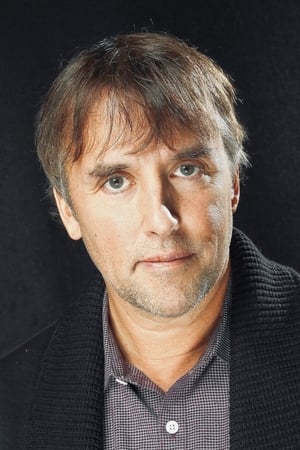
Richard Linklater
Richard Linklater (born July 30, 1960) is an American self-taught film director, producer and screenwriter. Linklater was among the first and most successful talents to emerge during the American independent film renaissance of the 1990s. Typically setting each of his movies during one 24-hour period, Linklater's work explored what he dubbed "the youth rebellion continuum," focusing in fine detail on generational rites and mores with rare compassion and understanding while definitively capturing the 20-something culture of his era through a series of nuanced, illuminating ensemble pieces which introduced any number of talented young actors into the Hollywood firmament.
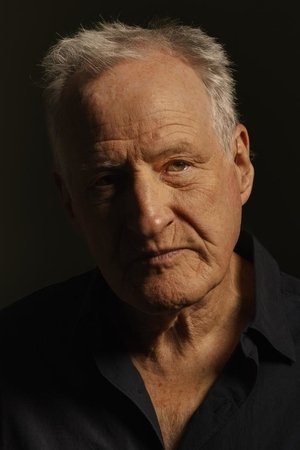
Michael Mann
Michael Kenneth Mann (born February 5, 1943) is an American director, screenwriter, and producer of film and television who is best known for his distinctive style of neo-noir crime thriller. His most acclaimed works include the films Thief (1981), Manhunter (1986), The Last of the Mohicans (1992), Heat (1995), The Insider (1999), and Collateral (2004). He is also known for his role as executive producer on the popular TV series Miami Vice (1984–89), which he later adapted into a 2006 feature film. For his work, he has received nominations from international organizations and juries, including the British Academy of Film and Television Arts, Cannes, and the Academy of Motion Picture Arts and Sciences. Total Film ranked Mann No. 28 on its list of the 100 Greatest Directors Ever, Sight and Sound ranked him No. 5 on their list of the 10 Best Directors of the Last 25 Years, and Entertainment Weekly ranked Mann No. 8 on their 25 Greatest Active Film Directors list
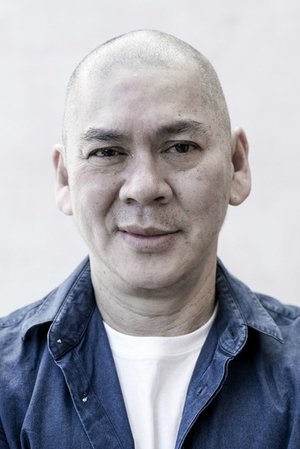
Tsai Ming-liang
Tsai Ming-liang (Chinese: 蔡 明亮, Pinyin: Cài Míngliàng; born October 27, 1957) is a Malaysian-Taiwanese filmmaker. He has written and directed 10 feature films and has also directed many short films and television films. Tsai is one of the most celebrated "Second New Wave" film directors of Taiwanese cinema. His films have been acclaimed worldwide and have won numerous film festival awards.
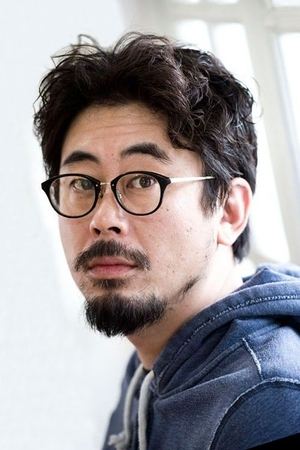
Na Hong-jin
Na Hong-jin (born 1974) is a South Korean film director and screenwriter. For his debut film The Chaser (2008), Na won Best Director at the 45th Grand Bell Awards in 2008. The film also won the award for Best Film. His follow up film, The Yellow Sea, was released in South Korea on December 15, 2010. It is scheduled to be screened in the Un Certain Regard section at the 2011 Cannes Film Festival. Description above from the Wikipedia article Na Hong-jin, licensed under CC-BY-SA, full list of contributors on Wikipedia
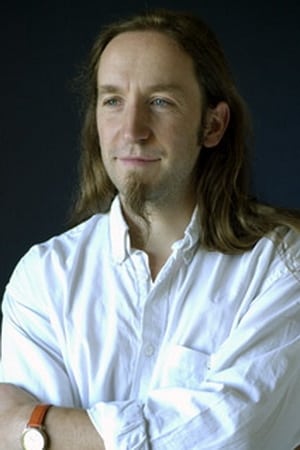
Yann Samuell
Yann Samuell (born June 7, 1965 in France), is a French film director, and screenwriter. Description above from the Wikipedia article Yann Samuell, licensed under CC-BY-SA, full list of contributors on Wikipedia

Benny Safdie
Benjamin 'Benny' Safdie (born February 24, 1986) is an American director, screenwriter, and actor, best known for the New York-set thrillers Good Time (2017) and Uncut Gems (2019). Together with his brother and frequent collaborator Josh Safdie, they are of Syrian-Jewish ancestry and grew up between their European father in Queens and their New Yorker mother in Manhattan. The brothers began making movies when they were kids, inspired by their film-enthusiastic father who translated his love of cinema to Benny and his brother by constantly filming them.
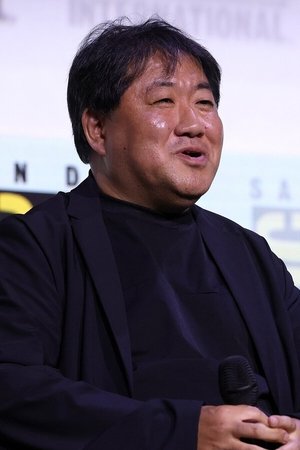
Haruo Sotozaki
Zachary Gross
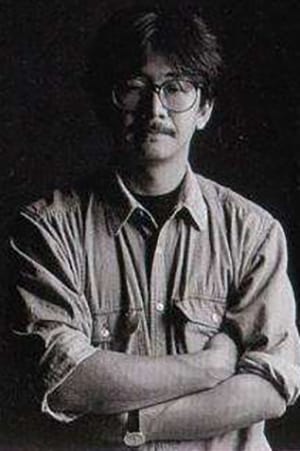
Nobuo Mizuta
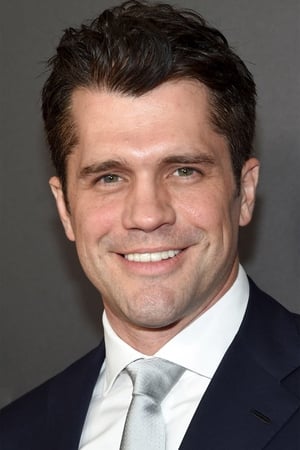
Jeff Wadlow
Jeff Wadlow (born March 2, 1976) is an American filmmaker and actor. He is best known for directing the films Cry Wolf (2005), Never Back Down (2008), Kick-Ass 2 (2013), True Memoirs of an International Assassin (2016), Truth or Dare (2018), Fantasy Island (2020), The Curse of Bridge Hollow (2022) and Imaginary (2024). He is the founder of Tower of Babble Entertainment.
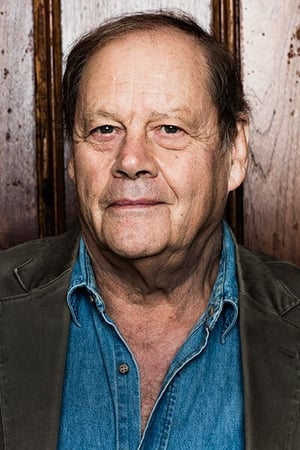
Bruce Beresford
Bruce Beresford (born 16 August 1940) is an Australian film director and screenwriter. He has made more than 30 feature films over a 50-year career, both locally and internationally in the United States.
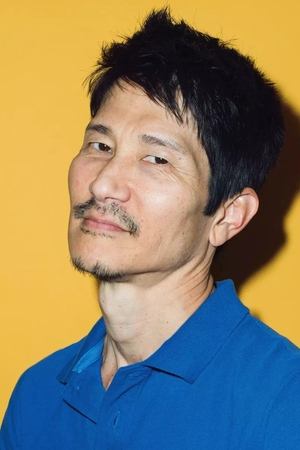
Gregg Araki
Gregg Araki (born December 17, 1959) is an American filmmaker. He is noted for his heavy involvement with the New Queer Cinema movement. Description above from the Wikipedia article Gregg Araki, licensed under CC-BY-SA, full list of contributors on Wikipedia.
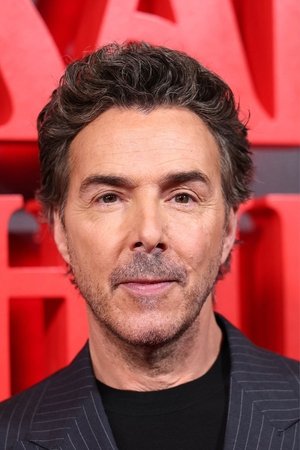
Shawn Levy
Shawn Adam Levy (born July 23, 1968) is a Canadian film director, film producer, screenwriter, actor, and founder of 21 Laps Entertainment. He has worked across genres and is perhaps best known as the director of the Night at the Museum film franchise and the primary producer of the Netflix series Stranger Things. Following early work as a television director, Levy gained recognition in the 2000s for directing comedy films like Big Fat Liar and Just Married before directing Cheaper by the Dozen, The Pink Panther, and Night at the Museum film franchises. In the early 2010s, he directed films including Date Night and Real Steel, developed several comedy television pilots, and executive produced the ABC sitcom Last Man Standing. Levy was a producer on the 2016 sci-fi film Arrival, which earned him an Academy Award nomination for Best Picture. Since 2016, Levy has been an executive producer on the Netflix original series Stranger Things. He has directed the third and fourth episodes of each of the show's four seasons. He also directed the Netflix limited series All the Light We Cannot See. Most recently, he has collaborated with Ryan Reynolds by directing Free Guy (2021), The Adam Project (2022), and Deadpool & Wolverine (2024). Description above from the Wikipedia article Shawn Levy, licensed under CC-BY-SA; full list of contributors on Wikipedia.
Stephen McCallum
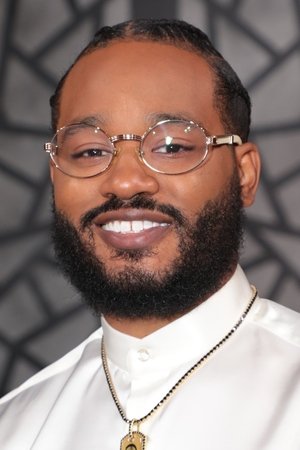
Ryan Coogler
Ryan Kyle Coogler (born May 23, 1986) is an American film director, producer, and screenwriter. His first feature film, Fruitvale Station (2013), won the top audience and grand jury awards in the U.S. dramatic competition at the 2013 Sundance Film Festival. He has since co-written and directed the seventh film in the Rocky series, Creed (2015), and the Marvel film Black Panther (2018), the latter of which broke numerous box office records and became the highest-grossing film of all time by an African American director. Coogler's films have received significant critical acclaim and commercial success. In 2013, he was included on Time's list of the 30 people under 30 who are changing the world] His work has been hailed by critics for centering on often overlooked cultures and characters—most notably African Americans. He frequently collaborates with actor Michael B. Jordan, who appeared in his first three feature films, as well as composer Ludwig Göransson, who has scored four of his films. In 2018, Coogler was named the runner-up of Time's Person of the Year and he was included in the annual Time 100 list of the most influential people in the world. In 2021, Coogler, Zinzi Coogler, and Sev Ohanian founded multimedia company Proximity Media to create event-driven content across various platforms.
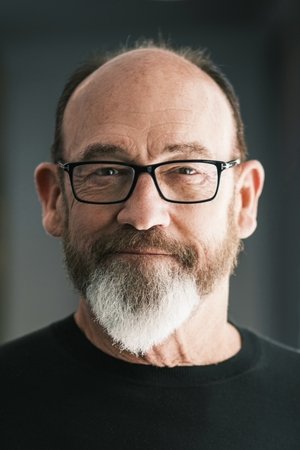
Chuck Russell
Charles "Chuck" Russell (born May 9, 1958) is an American film director, producer and screenwriter. He is best known for his work in the 1980s and '90s, including "A Nightmare on Elm Street 3: Dream Warriors" (1987) and "The Mask" (1994).
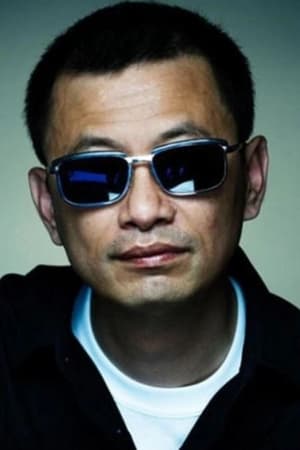
Wong Kar-wai
Wong Kar-wai is a Hong Kong Second Wave filmmaker, internationally renowned as an auteur for his visually unique, highly stylized films. Wong's films frequently feature protagonists who yearn for romance in the midst of a knowingly brief life and scenes that can often be described as sketchy, digressive, exhilarating, and containing vivid imagery.
Page 1 sur 164